
sumber: FB Kraton Jogja
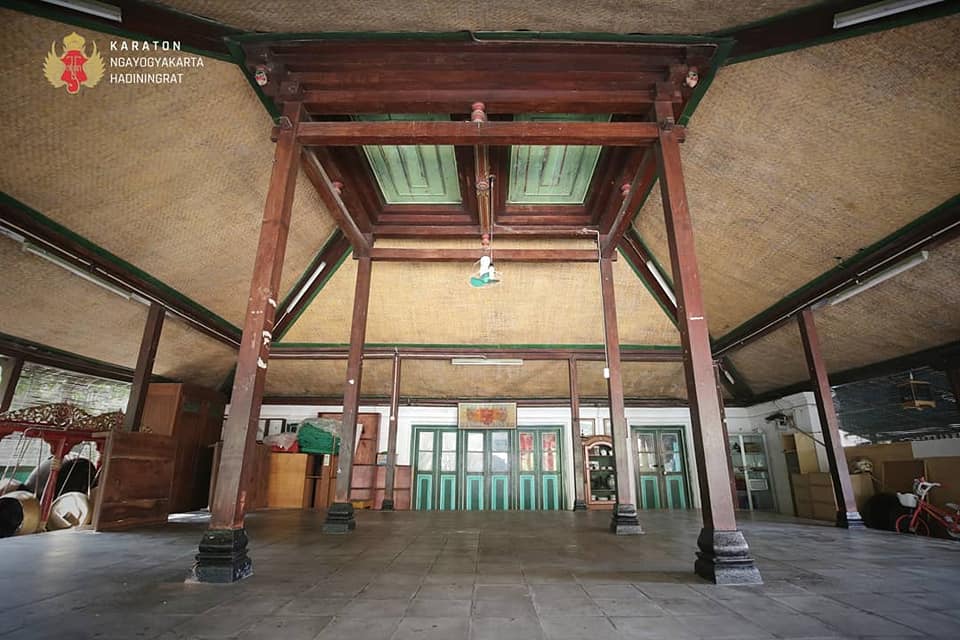
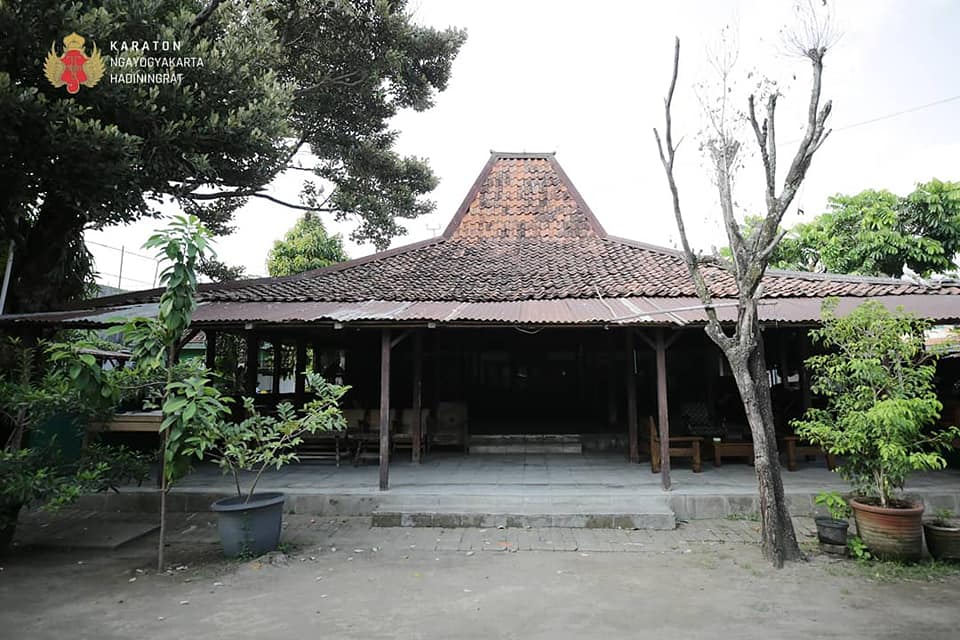
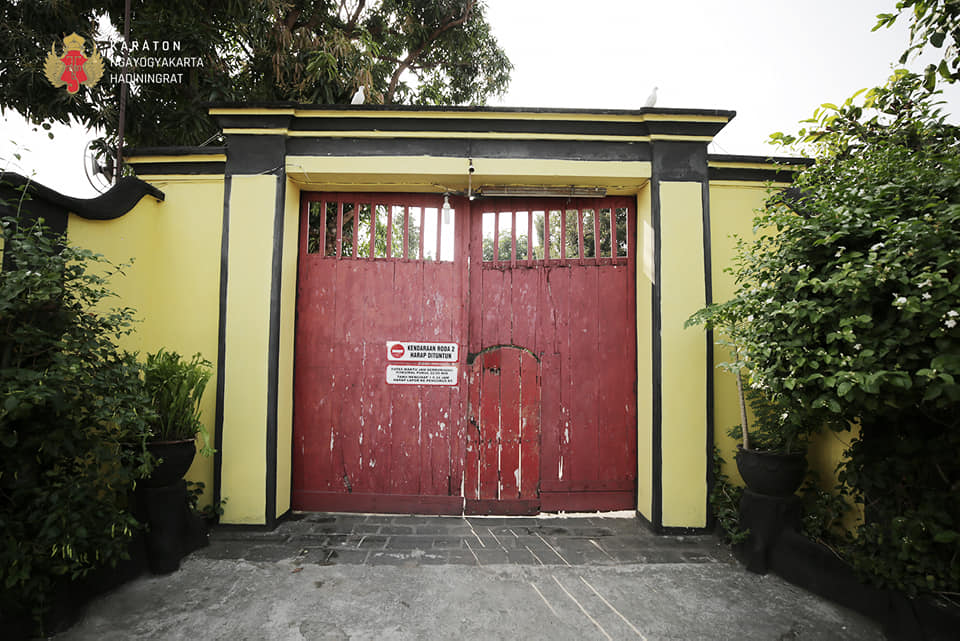
Ndalem Purbonegaran, Jalan Sidomukti, Kecamatan Kraton, Kota Yogyakarta
Ndalem secara umum berarti tempat tinggal. Istilah “Ndalem” disematkan terhadap hunian yang dipinjamkan/diberikan oleh Sultan kepada putra-putri maupun kerabatnya. Strukturnya dibangun menyerupai bentuk tata ruang keraton. Hal ini berdasarkan pada konsep rumah di Jawa dan merupakan gambaran mikrokosmos (jagad cilik) dan makrokosmos (jagad gedhe). Ndalem diibaratkan sebagai jagad cilik yang merepresentasikan keraton (jagad gedhe).
Arah ndalem juga mengikuti orientasi kosmologis keraton, yaitu utara-selatan atau Gunung Merapi-Laut Selatan, dengan sumbu kosmis yang sama dan diperkuat dengan denah berbentuk simetris. Dari segi tata ruang, hunian jawa yang menghadap utara-selatan sangat berguna untuk memberikan paparan pencahayaan tropis yang merata sepanjang hari.
Dibangunnya ndalem-ndalem tidak lepas dari wujud pengayoman raja sebagai pelindung, sekaligus bentuk penghargaan untuk para bangsawan yang setia mengelola tanah Sultan melalui hak dan kewenangan mereka. Bangunan bersejarah tersebut menjadi titik-titik tumbuh kehidupan masyarakat keraton yang menjadi inti kehidupan awal kota Jawa.
—
Ndalem widely means residence. The term “ndalem” is applied to residences that are lend or given by the Sultan to his children or relatives. The structure was built to resemble the layout of the palace. It is based on the concept of houses in Java and is a description of the microcosm (little universe) and the macrocosm (big universe). Ndalem is likened to a little universe that represents the palace (big universe).
The direction of Ndalem also follows the cosmological orientation of the palace, namely north-south or Mount Merapi-South Sea, with the same cosmic axis and reinforced by a symmetrical plan. In terms of spatial planning, a Javanese residence facing north-south is very useful for providing evenly distributed exposure to tropical lighting throughout the day.
The construction of a prince’s ndalem is inseparable from the realization of the king’s protection, as well as the appreciation for the aristocrats who faithfully managed the Sultan’s land through their rights and powers. The historic building becomes the point of growth for the life of the people around the palace, which was the core of early lives in Javanese city.
_____
Photo: Tepas Tandha Yekti
 reBLOG